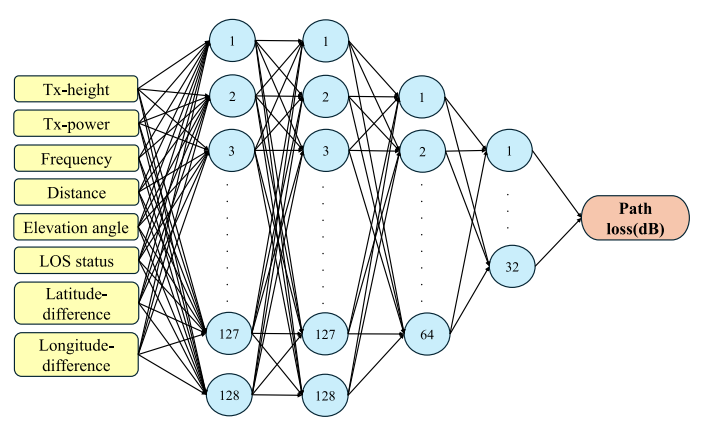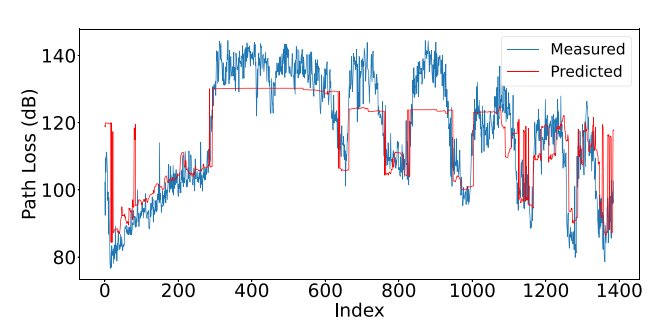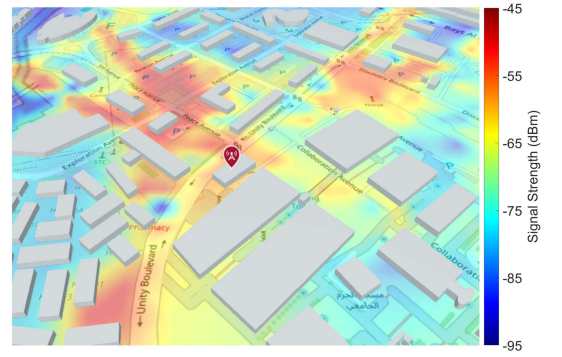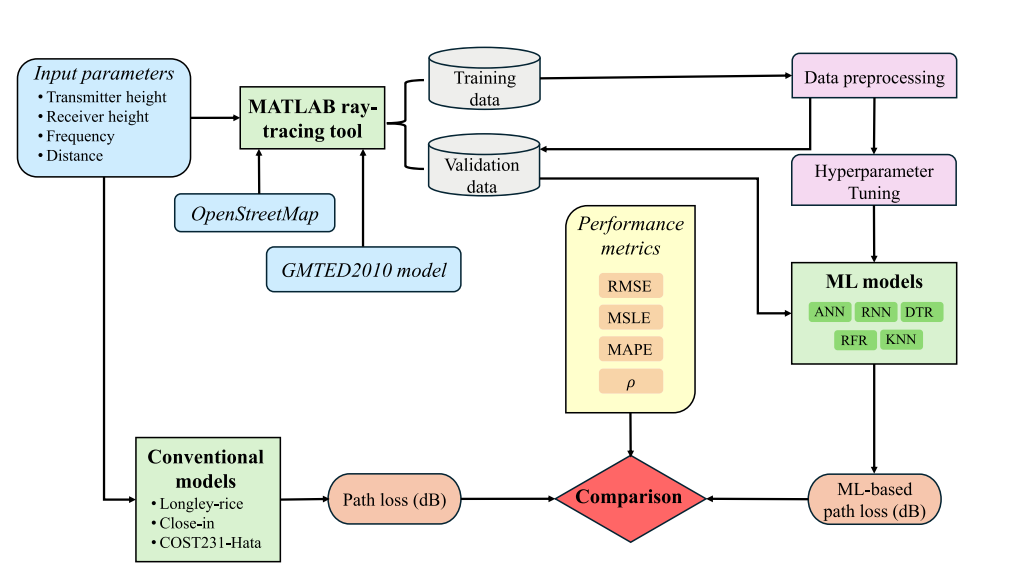
This project investigates the effectiveness of ML models for predicting path loss in the sub-6 GHz band across a suburban university campus. Synthetic training datasets were generated using ray-tracing simulation, with model accuracy validated against both synthetic and real measurement data. Random forest regression and K-nearest neighbors delivered the best prediction accuracy among the ML models tested, outperforming traditional propagation models including COST-231 Hata, Longley-Rice, and Close-in. Results demonstrate that combining ML with ray-tracing offers a flexible, cost-effective alternative to conventional path loss modeling.