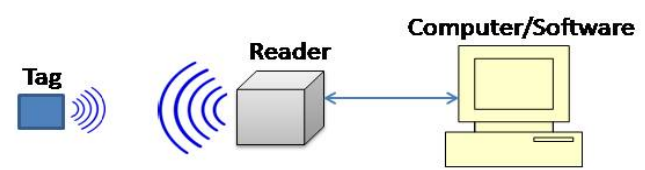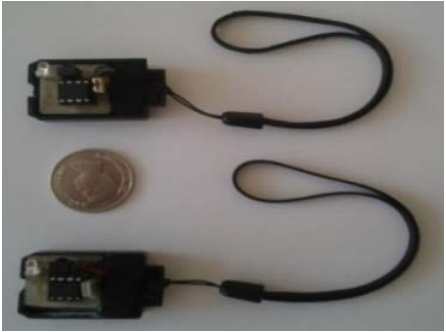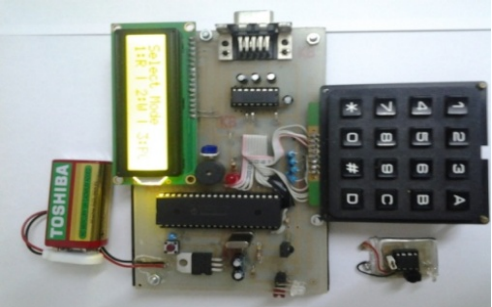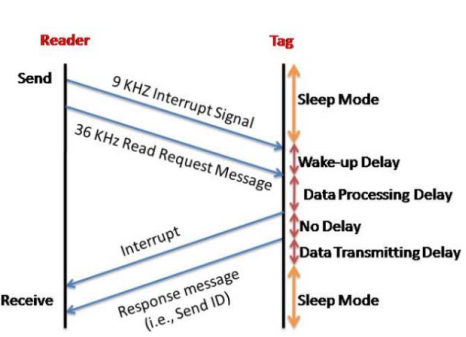
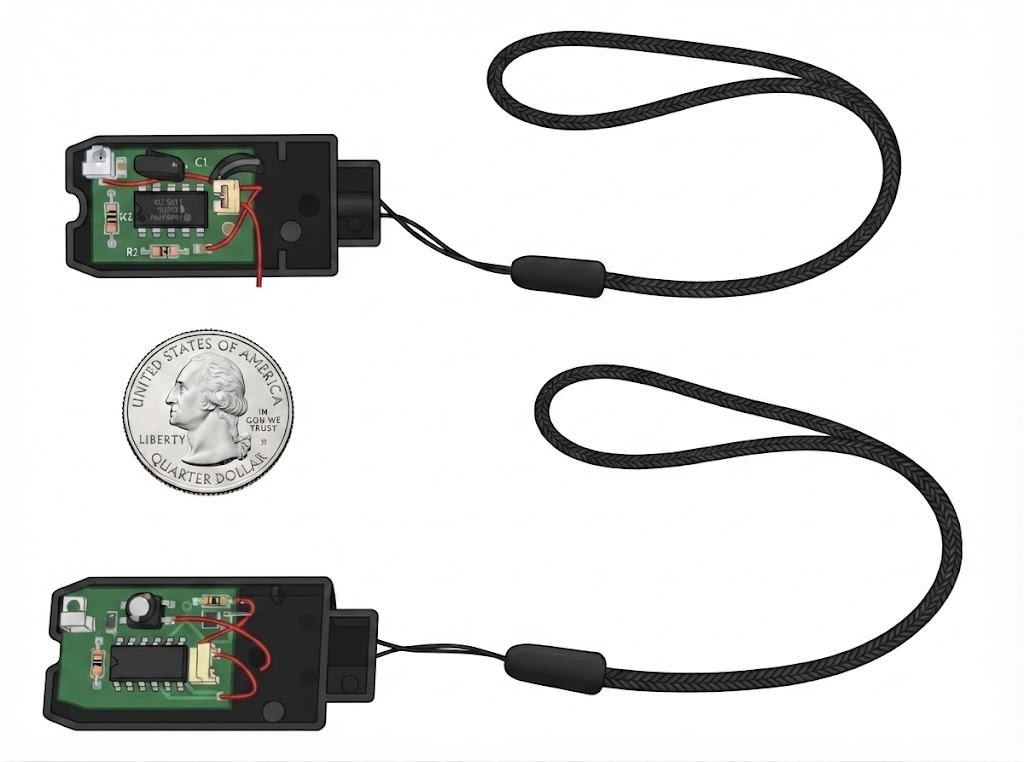
An Infrared-based Identification (IRID) system was designed and modeled as a tag-and-reader architecture, offering an alternative to conventional RFID for applications where radio frequency interference is a limiting factor. The reader communicated with the tag over a half-duplex infrared channel, reading and writing identification numbers, displaying data on an onboard LCD, and accepting user input via keypad, with an option to interface with a computer for more complex processing. The tag was engineered around practical constraints with small form factor, low power consumption, long operational lifetime, and low cost.